Standing Up for Property Rights in North Miami
June 10, 2026
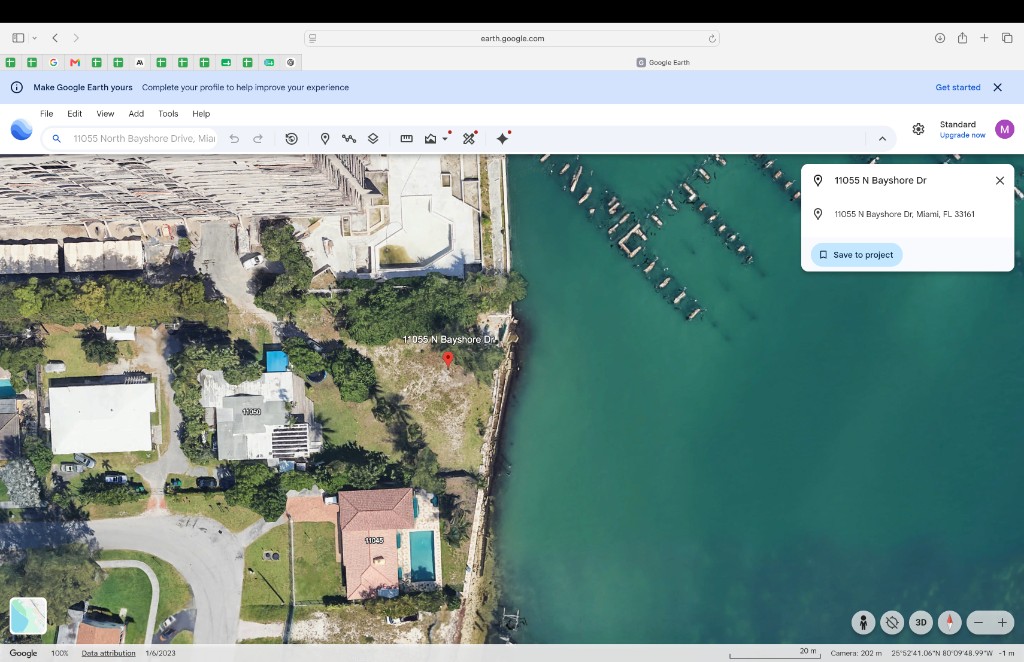
Miami-Dade Circuit Court · Case No. 2024-024352-CA-01
In December 2023–2024, I invested over $350,000 to acquire a majority membership interest in TUI Bayside, LLC, a Florida limited liability company whose sole asset is a waterfront parcel in North Miami valued north of $4 million. The transaction was documented in a written Membership Interest Purchase Agreement, my payment was undisputed, and a federal bankruptcy court has since found that the payment "entitled" me to receive a 70% interest in the company. What I did not anticipate was that the company's former manager, working in concert with the entity that held the company's mortgage, would attempt to transfer the entire parcel out from under me through a deed-in-lieu of foreclosure transaction in April 2025 — a transaction executed without my notice, without my consent, and in direct violation of the operating agreement that governed the company.
The transaction transferred a $4 million asset for approximately $300,000 in personal payments to the former manager — payments that, by his own sworn testimony and documentary evidence, were largely spent on personal expenses unrelated to any company purpose. The mortgage holder and the entity that took title are controlled by the same individual, eliminating any arm's-length character to the transaction. A federal bankruptcy judge, after reviewing the record, found that the former manager "clearly did not obtain" my consent and "clearly did not provide" me notice — both of which were required by the company's operating agreement — and expressly identified a "valid concern" that he had been "misappropriating property" of the company. The bankruptcy court reserved for the state courts the determination of the legal consequences of these findings.
The litigation now pending in Miami-Dade Circuit Court seeks to set aside the deed-in-lieu transaction, restore the parcel to the company, and hold each of the participants accountable for their conduct. The amended complaint advances claims for quiet title, declaratory judgment, constructive trust, unjust enrichment, breach of fiduciary duty, and avoidance under the Florida Uniform Fraudulent Transfer Act. The case raises significant questions about the integrity of recorded property titles in Miami-Dade County and the duties owed by an LLC manager to a member who has invested in good faith. I remain committed to seeing this case through to a result that restores what was wrongfully taken, vindicates the rights of legitimate stakeholders, and demonstrates that no individual — regardless of professional standing or institutional connections — is above the rules that govern fiduciaries and lenders in Florida.
Back to Blog & News
Let's Talk
Hotels, lending, Detroit, or the foundation — one email reaches me directly.